Physical development Physical development has many things – height, weight, coordination, but most adults do not take into account the
Continue readingChild psychologist: “Five-year-olds have no place at the desk”
All the world is a laboratory to the inquiring mind.

6 to 12 months This period refers to a greater extent not to the plot and plot lines or stories,
Continue readingHow to teach your child to love books? (6-12 month old)

At this age, babies become more and more independent. Listen to your child and let him stop and interrupt you.
Continue readingHow to teach your child to love books? (12-18 month)

Age 3 to 5 years This is the period of active growing up of the baby. This age suggests that
Continue readingHow to teach your child to love books? (3-5 years old)
Physical development Physical development has many things – height, weight, coordination, but most adults do not take into account the
Continue readingChild psychologist: “Five-year-olds have no place at the desk”
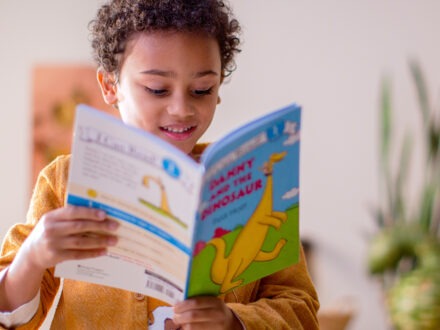
6 to 12 months This period refers to a greater extent not to the plot and plot lines or stories,
Continue readingHow to teach your child to love books? (6-12 month old)

Bullying (from the English. To bull – to persecute) is the aggressive conscious behavior of one child (or group) towards
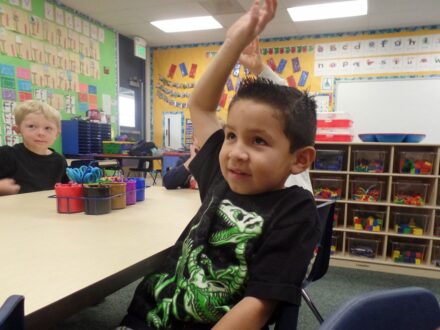
Is the full development of a child possible without additional education? Although the document “On Education” says that one of
Continue readingWhy do you need additional education for children

For most, the realities of life in Asian countries remain unknown. As a destination for tourism, this part of the
Continue readingFeatures of school education in the Far East
Perhaps the most pressing topic in the media world today is the issue of “fake news”. Even Elon Musk, the
Continue readingHow and why should children be able to distinguish between “fake news”?

All parents dream of a polite little child who says please and thank you. After all, your baby’s behavior reflects
Continue readingModeling behavior is the best way to teach your child good manners
TikTok, once viewed primarily as an entertainment app, has evolved into a significant platform for education. By 2026, millions of students, teachers, and creators use it for bite-sized learning, professional development, and creative expression in academic contexts. Hashtags like #StudyTok, #EduTok, and subject-specific tags boast billions of views, reflecting a shift toward microlearning that aligns with shorter attention spans and digital-native preferences. This article examines TikTok’s role in education, highlighting its advantages, drawbacks, and strategies for effective integration.
TikTok’s algorithm excels at delivering personalized, engaging content quickly. Educational videos—often 15–60 seconds long—break down complex topics into digestible formats, making learning accessible and fun. In 2025–2026 studies, platforms like Study.com reported that 1 in 4 users engage with TikTok for educational purposes, with 69% saying it helped complete homework. Subjects like English, history, science, and math lead in views, while trends such as “study with me” sessions and aesthetic note-taking inspire productivity.
Teachers and students alike contribute: educators share classroom hacks, while students post explanations or reactions to lessons. This democratizes knowledge, allowing anyone to become a “teacher” through creative videos set to trending sounds.
TikTok boosts engagement and motivation significantly. Research from systematic reviews in higher education (2025) shows TikTok-assisted methods enhance participation, improve academic performance, and deepen subject comprehension across disciplines like language learning, physical education, and medical studies.
Examples include engineering students scoring higher on exams via TikTok-blended math content and foreign language learners gaining collaborative experiences.
Educators spend considerable time on TikTok—some averaging nearly 2 hours daily—for professional growth. Surveys show 94% use it to find teaching ideas, with 90% applying them in classrooms. Teachers discover classroom management strategies, bulletin board designs, lesson activities, and inclusive practices (e.g., discussing disabilities confidently after seeing relatable models).
Longer-term users implement more innovations, suggesting sustained exposure yields practical classroom improvements.
Despite benefits, TikTok poses risks in educational settings.
Some studies note challenges in maintaining linguistic accuracy in language apps or managing distractions in blended setups.
To maximize positives while minimizing risks, thoughtful implementation is key.
Policymakers and schools increasingly recognize TikTok’s potential, with some districts exploring official integrations while maintaining safeguards.
As of 2026, TikTok continues shaping learning through meaningful, value-driven content and community-building. Its algorithm now prioritizes relevance and engagement over pure virality, benefiting educational creators. With Gen Z favoring video-based learning, platforms like TikTok could influence future microlearning trends, personalized education, and global knowledge sharing.
TikTok isn’t a replacement for formal education but a powerful supplement. When used intentionally, it enhances motivation, accessibility, and creativity—turning passive scrolling into active learning. Educators, students, and parents who approach it critically can harness its strengths while navigating its pitfalls, ensuring it contributes positively to educational journeys.