Physical development Physical development has many things – height, weight, coordination, but most adults do not take into account the
Continue readingChild psychologist: “Five-year-olds have no place at the desk”
All the world is a laboratory to the inquiring mind.

6 to 12 months This period refers to a greater extent not to the plot and plot lines or stories,
Continue readingHow to teach your child to love books? (6-12 month old)

At this age, babies become more and more independent. Listen to your child and let him stop and interrupt you.
Continue readingHow to teach your child to love books? (12-18 month)

Age 3 to 5 years This is the period of active growing up of the baby. This age suggests that
Continue readingHow to teach your child to love books? (3-5 years old)
Physical development Physical development has many things – height, weight, coordination, but most adults do not take into account the
Continue readingChild psychologist: “Five-year-olds have no place at the desk”

6 to 12 months This period refers to a greater extent not to the plot and plot lines or stories,
Continue readingHow to teach your child to love books? (6-12 month old)

Bullying (from the English. To bull – to persecute) is the aggressive conscious behavior of one child (or group) towards
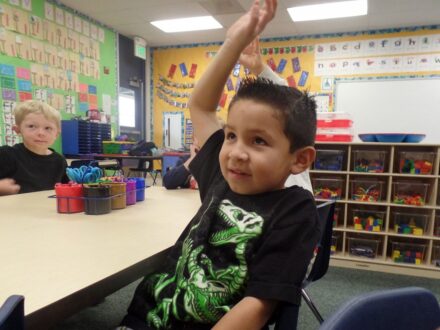
Is the full development of a child possible without additional education? Although the document “On Education” says that one of
Continue readingWhy do you need additional education for children

For most, the realities of life in Asian countries remain unknown. As a destination for tourism, this part of the
Continue readingFeatures of school education in the Far East
Perhaps the most pressing topic in the media world today is the issue of “fake news”. Even Elon Musk, the
Continue readingHow and why should children be able to distinguish between “fake news”?

All parents dream of a polite little child who says please and thank you. After all, your baby’s behavior reflects
Continue readingModeling behavior is the best way to teach your child good manners
TikTok has become one of the most influential platforms among young people, particularly students from middle school through college. With its short-form videos, viral trends, and algorithm-driven content, the app captivates billions of users worldwide. However, alongside harmless dances and educational snippets, TikTok has repeatedly hosted dangerous challenges that pose serious risks to physical and mental health. These trends often spread rapidly among school-aged children and teens, leading to injuries, hospitalizations, and even fatalities. This article explores the safety issues surrounding TikTok challenges, their real-world consequences, and their broader implications for education.
TikTok’s appeal lies in its ability to make content go viral overnight. Challenges encourage participation by promising likes, views, and social validation. While many are benign—such as dance routines or comedy skits—others promote reckless behavior for shock value. Recent years have seen persistent and recurring dangerous trends, even as platforms implement safety measures.
One of the most notorious is the Blackout Challenge, which involves self-strangulation or restricting airflow until losing consciousness. Despite originating years ago, it continues to claim lives. Reports from 2025 highlight cases where children as young as 8 or 10 died attempting it, with lawsuits against TikTok alleging that the algorithm pushed such content to vulnerable users. In one tragic instance, a 10-year-old’s death sparked renewed scrutiny, and parents in multiple countries filed wrongful death claims, arguing that TikTok’s recommendation system amplifies harmful videos without adequate safeguards.
The Benadryl Challenge remains equally alarming. Participants ingest excessive doses of diphenhydramine (the active ingredient in Benadryl) to induce hallucinations. Medical experts warn that doses close to those sought for “trips” can cause seizures, heart arrhythmias, coma, or death. In 2025, cases persisted: teens in various U.S. states were hospitalized, and at least one overdose led to a fatality. A September 2025 report from the American Academy of Pediatrics noted that the challenge, first popularized in 2020, cycles through platforms and still affects young adults. Emergency rooms have seen spikes in related poisonings, underscoring the ongoing danger.
Other physical risks include the Milk Crate Challenge, where users stack milk crates into pyramids and attempt to climb them, often resulting in falls, broken bones, or head trauma. The Fire Challenge and variations involving school devices have also emerged. In 2025, schools across districts warned about trends where students insert metal objects—like paperclips or foil—into Chromebook ports or keys to spark fires or short circuits. These acts not only damage expensive educational equipment but release toxic fumes and risk burns or electrical fires in classrooms.
A 2025 study by the Omega Law Group analyzed social media challenges and found devastating statistics: over 100 deaths and tens of thousands of emergency room visits linked to trends like blackout, Benadryl, Tide Pod (earlier iterations), and others. Children as young as 10 participated, suffering brain damage, organ failure, or severe injuries. The report highlighted a 20-30% increase in pediatric hospital admissions tied to these viral dares, with insurance often denying coverage for “self-inflicted” harm.
These challenges intersect directly with education. Schools report increased behavioral issues, vandalism, and distractions stemming from TikTok trends. Students attempting dangerous stunts on school property face suspensions, expulsions, or legal consequences. For instance, districts in 2025 issued alerts about Chromebook tampering, emphasizing risks to student safety and taxpayer-funded resources. Beyond physical harm, constant exposure disrupts learning: notifications pull attention during class, late-night scrolling causes sleep deprivation, and peer pressure to participate erodes focus.
Mental health suffers too. TikTok’s algorithm can funnel users into harmful “rabbit holes.” Research from Amnesty International in 2025 showed that accounts simulating teens interested in mental health were quickly recommended content romanticizing self-harm or suicide. This exacerbates anxiety, depression, and addictive behaviors among students already vulnerable during formative years.
Educators and parents face mounting challenges. Many schools limit phone use or integrate digital literacy programs to teach critical evaluation of online content. Parental controls, open discussions about trends, and monitoring For You feeds help mitigate risks. TikTok itself prohibits dangerous challenges in its Community Guidelines and promotes safety resources, yet enforcement remains inconsistent, with harmful videos often surfacing before removal.
The educational impact extends further. While TikTok offers valuable content—science experiments, language lessons, historical explainers—the platform’s addictive design competes with homework and deep study. Studies link heavy use to reduced academic performance, higher ADHD-like symptoms, and disrupted sleep patterns essential for learning.
TikTok’s dangerous challenges highlight a critical tension: a tool for creativity and connection can become a vector for harm when unchecked. As educators, parents, and policymakers navigate this landscape, prioritizing digital safety education is essential. Teaching students to question viral trends, recognize risks, and value real-world well-being over online validation can reduce tragedies. Ultimately, balancing innovation with protection ensures platforms like TikTok enhance—rather than endanger—young people’s educational journeys.