Physical development Physical development has many things – height, weight, coordination, but most adults do not take into account the
Continue readingChild psychologist: “Five-year-olds have no place at the desk”
All the world is a laboratory to the inquiring mind.

A liberal education is at the heart of a civil society, and at the heart of a liberal education is the act of teaching.
6 to 12 months This period refers to a greater extent not to the plot and plot lines or stories,
Continue readingHow to teach your child to love books? (6-12 month old)

At this age, babies become more and more independent. Listen to your child and let him stop and interrupt you.
Continue readingHow to teach your child to love books? (12-18 month)

Age 3 to 5 years This is the period of active growing up of the baby. This age suggests that
Continue readingHow to teach your child to love books? (3-5 years old)
Physical development Physical development has many things – height, weight, coordination, but most adults do not take into account the
Continue readingChild psychologist: “Five-year-olds have no place at the desk”
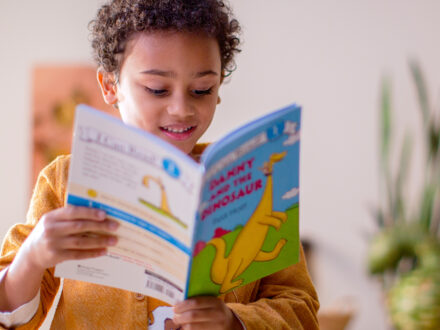
6 to 12 months This period refers to a greater extent not to the plot and plot lines or stories,
Continue readingHow to teach your child to love books? (6-12 month old)

Bullying (from the English. To bull – to persecute) is the aggressive conscious behavior of one child (or group) towards
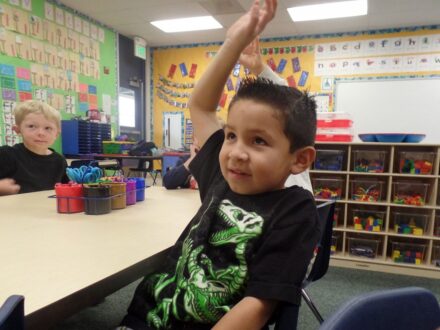
Is the full development of a child possible without additional education? Although the document “On Education” says that one of
Continue readingWhy do you need additional education for children
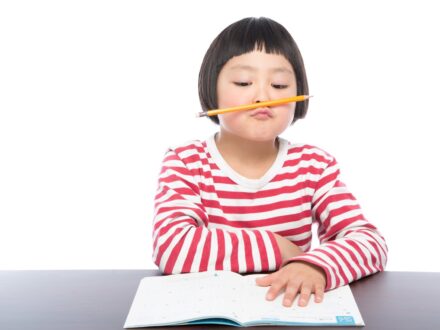
For most, the realities of life in Asian countries remain unknown. As a destination for tourism, this part of the
Continue readingFeatures of school education in the Far East
Perhaps the most pressing topic in the media world today is the issue of “fake news”. Even Elon Musk, the
Continue readingHow and why should children be able to distinguish between “fake news”?

All parents dream of a polite little child who says please and thank you. After all, your baby’s behavior reflects
Continue readingModeling behavior is the best way to teach your child good manners
Recent research by child psychologists suggests the importance of introducing uniform standards of education. A number of such studies have taken into account the performance of children of a certain age in certain disciplines and their performance in school, given the different approaches to the learning process. It turned out that in order for learning outcomes to be really good, the starting point of teachers must be the personal needs of each student.
The teacher first of all has to consider individual abilities of the child and already under them to adjust process of training. It is harder for teachers, but it will definitely bring results. When a child is given the opportunity to choose the disciplines in which he is more successful, his overall success increases. This is precisely because the child feels more confident in his abilities.
At the same time, he learns to make adult independent decisions. Therefore, instead of a huge number of subjects for learning, most of which will be unnecessary and uninteresting for children, the curriculum is simplified, optimized and adapted to the child.
From a psychological point of view, this means a minimum of coercion, so the child learns with pleasure and is not lazy to gain new knowledge.

Continue readingHow Mustang Gold Fits the Modern Mobile-First Gaming Landscape
Continue readingNeoSpin and the Changing Face of Digital Casino Leisure

Continue readingHow N1Bet Turns Casual Browsing Into Hours of Engaging Digital Play

Continue readingThe Quiet Pull of Lucky Ones Across Modern Screens